

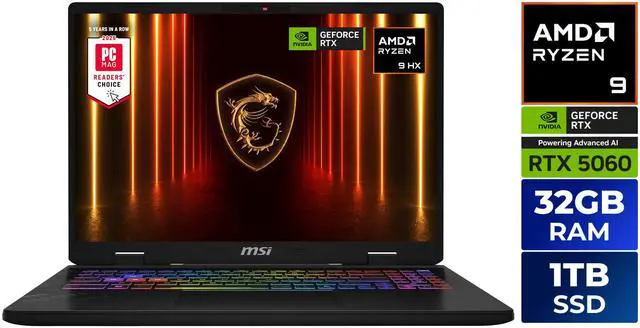
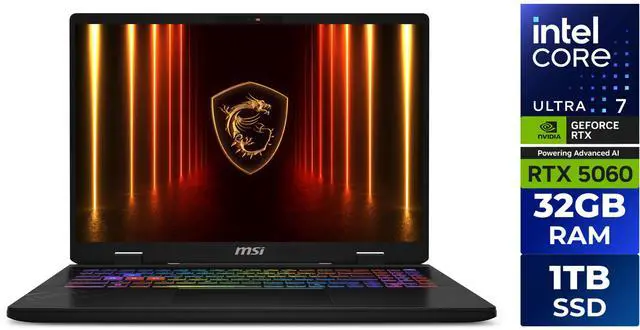
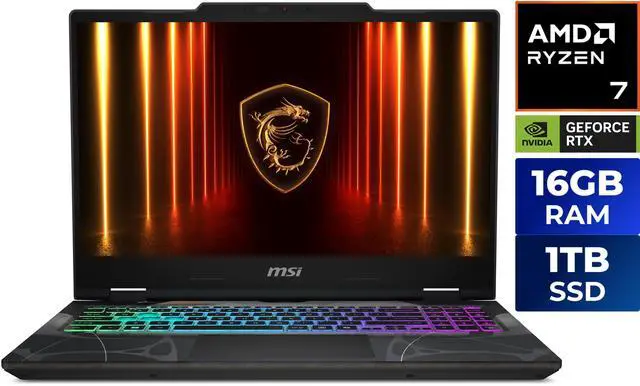
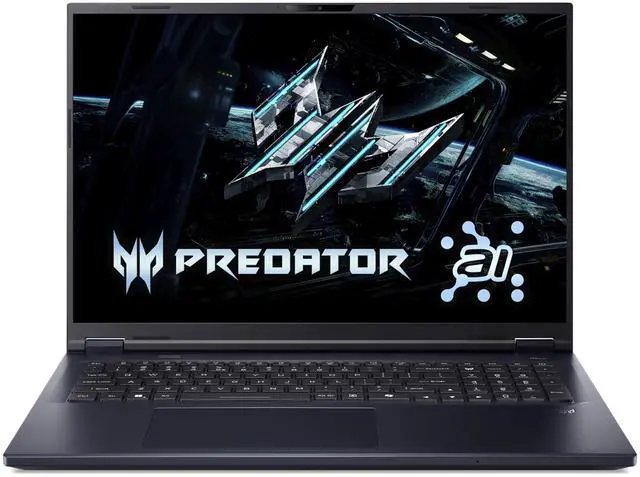
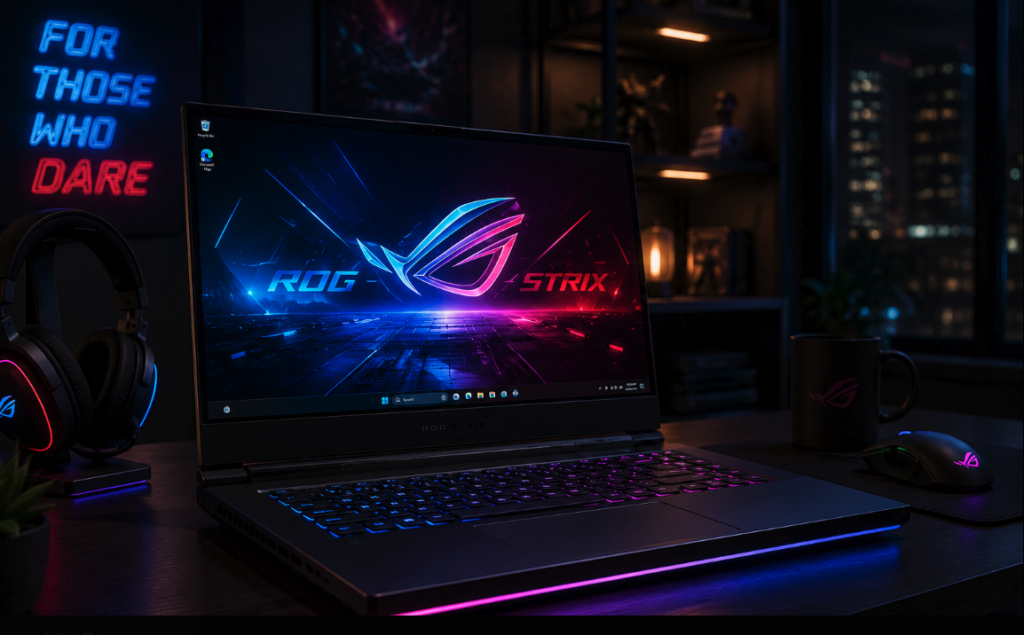
If you’ve been putting off a gaming laptop purchase, the market has an uncomfortable message for you: gaming laptop prices are rising in 2026, and every signal points to the increases accelerating rather than easing. The reason isn’t tariffs or hype — it’s memory. The DRAM and VRAM chips inside every gaming notebook have become the most contested commodity in tech, and the cost increases are now flowing directly into laptop price tags.
This article explains what’s driving the surge, how far analysts expect prices to climb, which components the shortage hits hardest, and why buying from current inventory — which still reflects older, cheaper memory contracts — is the smartest move a gaming laptop shopper can make right now.
The Short Answer: Memory Costs Are Exploding
Gaming laptop prices track memory prices, and memory prices are climbing faster than at any point in the past decade — hitting laptops from three directions at once. According to industry tracking through mid-2026, DRAM prices rose roughly 170% over 2025, and Gartner has projected memory cost surges of around 130% with the crunch stretching into 2027.
A gaming laptop is uniquely exposed because it carries three kinds of memory, and all three are getting more expensive:
| Memory type | Where it lives | What’s happening to its price |
|---|---|---|
| DDR5 system RAM | Main memory (16–32 GB typical) | Contract prices up sharply; consumer kits up as much as 89% |
| GDDR6 / GDDR7 VRAM | The GeForce RTX GPU (8–16 GB) | NVIDIA reportedly raised memory kit prices for board partners across the entire lineup |
| NAND flash (SSD) | Storage (1–2 TB typical) | Supply squeezed by the same data center demand |
In practical terms, the parts that make a gaming laptop a *gaming* laptop — the GeForce RTX 50 series GPU with its dedicated VRAM, the high-capacity RAM, the fast NVMe drive — are exactly the parts getting more expensive to build.
What Just Happened With NVIDIA and VRAM
In July 2026, multiple industry reports confirmed that NVIDIA notified its board partners of price increases on both GDDR7 and GDDR6 memory kits — the VRAM bundled with GPU chips for everything from the newest RTX 50 series down to older GDDR6-based cards. The numbers behind the reports are stark: a 3 GB GDDR7 module reportedly costs $60–70, roughly triple the ~$20 price of a standard 2 GB module, and analysts expect finished GPU prices to rise 20–30% as those costs pass through.
Why does a graphics card story matter for laptops? Because a gaming notebook’s GPU and VRAM share the same supply chain. When memory kit costs rise for desktop board partners, the same silicon economics hit laptop makers on their next production runs. There is no separate, cheaper pool of VRAM for notebooks — today’s shelf inventory simply reflects earlier, lower memory contracts.
Where the Squeeze Comes From: AI Data Centers
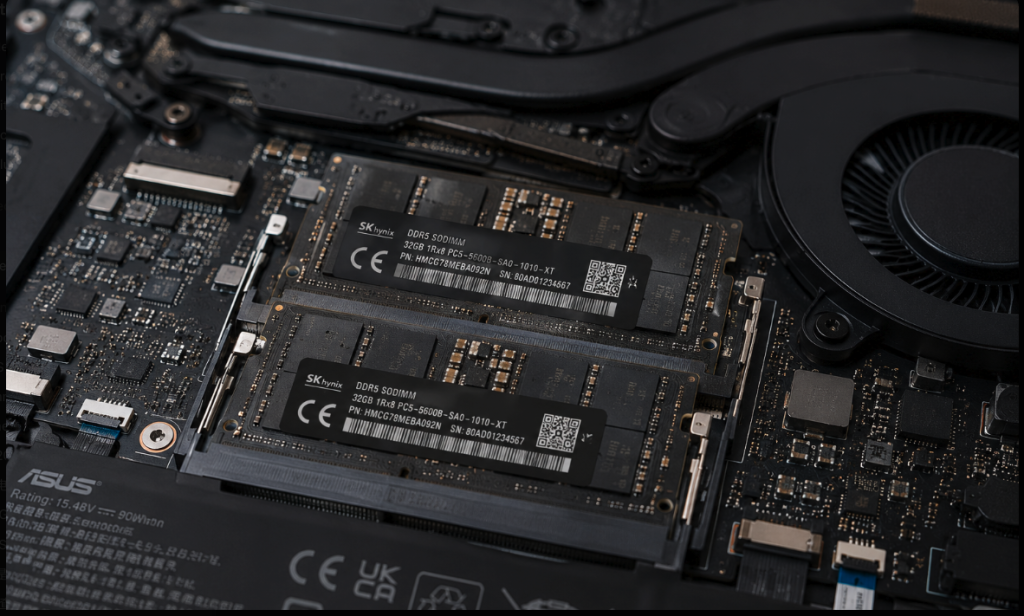
The root cause is demand, not disaster. AI hyperscalers are buying memory at a scale the industry has never seen, outfitting data centers for model training and inference. Samsung, SK Hynix, and Micron — the three companies that make virtually all of the world’s DRAM — have shifted fabrication capacity toward high-margin data center memory, shrinking the supply left over for consumer devices.
That reallocation doesn’t reverse quickly. Building new fab capacity takes years, and the AI buildout shows no sign of slowing. This is why analysts describe the situation as a structural shortage rather than a blip, with elevated pricing projected well into 2027. In other words, for anyone deciding between buying a gaming laptop now or “waiting for prices to settle,” the evidence says the settling point is higher, not lower.
Laptop Makers Have Already Confirmed Price Hikes
Higher gaming laptop prices are no longer a forecast — they’re on the record. Major PC manufacturers including Lenovo, Dell, HP, Acer, and ASUS have confirmed price increases in the 15–20% range, and industry reporting suggests high-end configurations — the category every serious gaming notebook lives in — could climb by as much as 30%. Some vendors are reportedly even delaying laptop launches while they wait out memory contract negotiations, with memory prices expected to rise another 45% through 2026.
Consider what that means in dollars. A $1,499 RTX-equipped gaming laptop at a 20% increase becomes roughly $1,799 on a future production run. At 30%, it approaches $1,949 — a difference that could have covered a monitor, a headset, and a year of game purchases. By contrast, units already in retail inventory were priced on last year’s component costs. That gap between today’s shelf price and tomorrow’s replacement cost is the entire buying opportunity.
Why Current Inventory Is the Deal
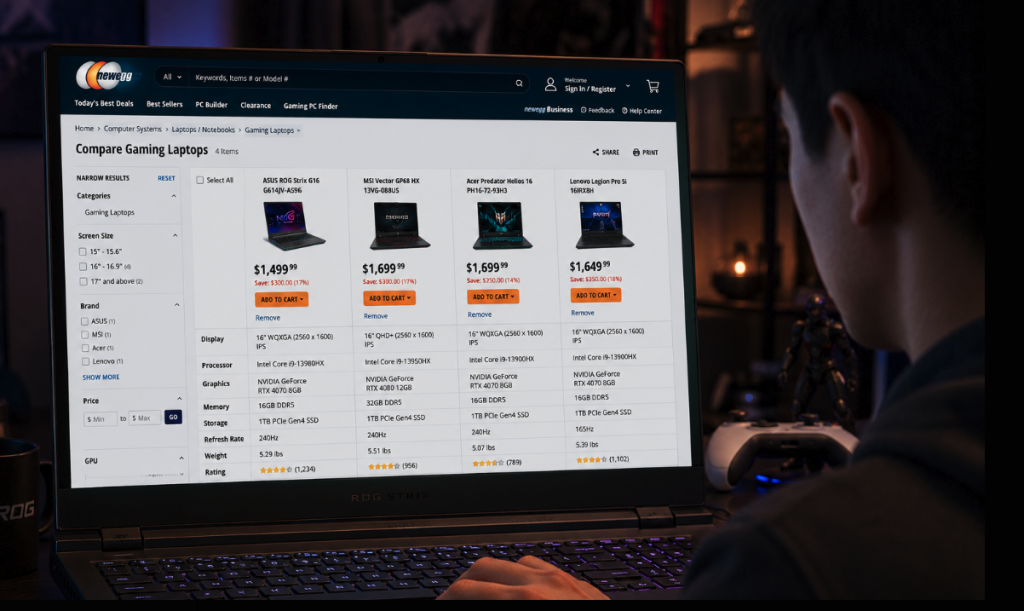
Retail gaming laptop prices lag component prices — and that lag is your window. Laptops in stock now at Newegg’s gaming laptop selection and across Intel-based gaming models were manufactured before the newest round of memory hikes. As that inventory sells through, replacement stock arrives carrying the new costs.
There’s a second, quieter effect worth knowing: spec erosion. When component costs spike, manufacturers don’t only raise prices — they also trim configurations to hold price points, shipping 16 GB where 32 GB was standard, or a 512 GB SSD where 1 TB used to be. Buying now doesn’t just lock in a lower price; it locks in a better-specced machine at that price. If you want to compare current configurations side by side, the Newegg Laptop Finder makes the spec-per-dollar math easy to see.
How We Got Here: A Short Timeline of the Memory Crunch
Understanding the timeline makes it clear why gaming laptop prices won’t snap back. Through 2024 and early 2025, memory was a buyer’s market — DRAM makers had overbuilt capacity, and gaming laptop prices reflected cheap, plentiful chips. Then the AI infrastructure boom rewrote the demand curve.
Over the course of 2025, hyperscalers signed enormous long-term contracts for high-bandwidth and server memory, and the big three DRAM manufacturers responded rationally: they converted consumer-oriented fab lines to data center products. By late 2025, contract DRAM pricing had turned sharply upward, and by mid-2026 the cumulative rise reached roughly 170%. NAND flash followed the same arc as AI storage demand absorbed SSD supply.
The GPU side lagged slightly, then caught up hard. Graphics memory ran on separate contracts, so GDDR pricing held longer — until July 2026, when NVIDIA’s kit price increases confirmed that VRAM had joined the shortage. That sequencing matters for shoppers: laptop inventory built in the first half of 2026 still embeds pre-hike memory costs across all three memory types. Stock built from here forward does not. Each successive production run inherits a more expensive bill of materials, which is why manufacturer price guidance keeps pointing up rather than down.
Could anything break the cycle early? In theory, a slowdown in AI capital spending or a faster-than-expected fab expansion would loosen supply. In practice, neither is on any analyst’s 2026 calendar — new fabs announced today produce chips in 2027 and beyond, and AI data center budgets are still growing. That is why waiting out this market is a bet against every published projection.
What to Prioritize If You’re Buying Now
Buy the memory, not just the badge. Since RAM and VRAM are the components inflating fastest, they’re also where locking in today’s pricing pays off most:
VRAM first. An 8 GB GPU handles 1080p today, but modern titles increasingly want 12–16 GB at 1440p with high textures. Stepping up the GPU tier now costs far less than it will after the 20–30% GPU-side increases land. VRAM is also the one spec you can never upgrade later — it’s soldered to the GPU — so under-buying it is a decision you live with for the machine’s whole life.
Don’t over-rotate on the CPU. Processor pricing is comparatively stable in this shortage; memory is what’s inflating. A mid-tier current-generation CPU paired with more VRAM and RAM will age better — and hold value better — than a flagship CPU starved of memory.
32 GB of RAM if you can. It’s the spec most likely to be trimmed from future configurations, and the upgrade premium is still priced on older DDR5 contracts. Games plus Discord plus a browser already push past 16 GB.
1 TB SSD minimum. NAND rides the same shortage. Modern game installs run 100–150 GB each; storage you buy inside today’s price is storage you won’t pay a premium to add later.
For most buyers, the sweet spot is a current-generation RTX machine with 12 GB+ of VRAM, 32 GB of RAM, and 1 TB of storage — a configuration whose replacement cost is rising on all three axes at once. Browse the full range of gaming notebooks at Newegg while those configurations are still priced on pre-hike components.
Conclusion
Gaming laptop prices are rising in 2026 for reasons that won’t reverse soon: a structural memory shortage, confirmed manufacturer hikes of 15–20%, and VRAM costs climbing across NVIDIA’s entire GPU lineup. The machines on shelves today were built and priced before the newest increases — the machines that replace them won’t be. If a gaming notebook is in your plans for this year, the value calculation strongly favors acting while current inventory lasts. Start with the Newegg Laptop Finder to zero in on the right configuration, or browse all gaming laptops to see what pre-hike pricing still looks like. In a rising market, the best price you’ll see is usually the one in front of you.
Related Posts
- Best Gaming Laptops for Students in 2026: Picks for Every Budget
- Best Gaming Laptops in 2026: RTX 50-Series Showdown Across Every Budget
- Best Gaming Laptops Under $1,200 in 2026: RTX 5070 Laptop Picks
- How to Choose the Right Gaming Laptop in 2026
- Top 3 Gaming Laptops of 2026: MSI vs. Acer vs. Lenovo RTX 5060 Head-to-Head
Frequently Asked Questions
Answers to common questions about rising gaming laptop prices and the 2026 memory shortage.