
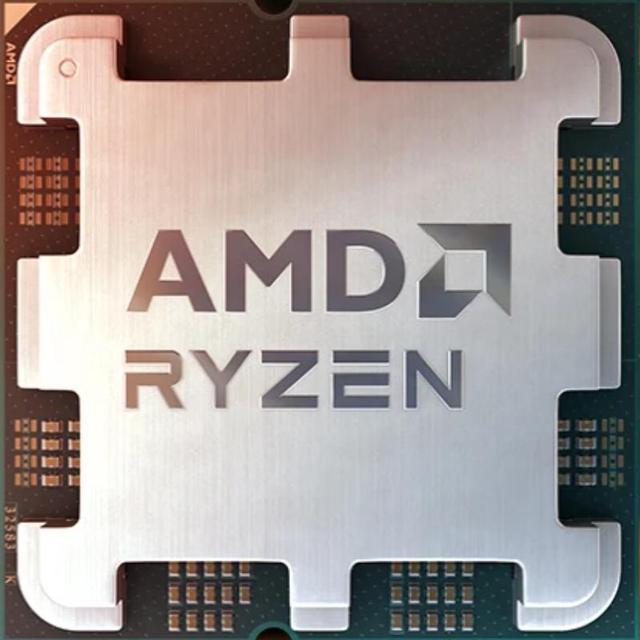
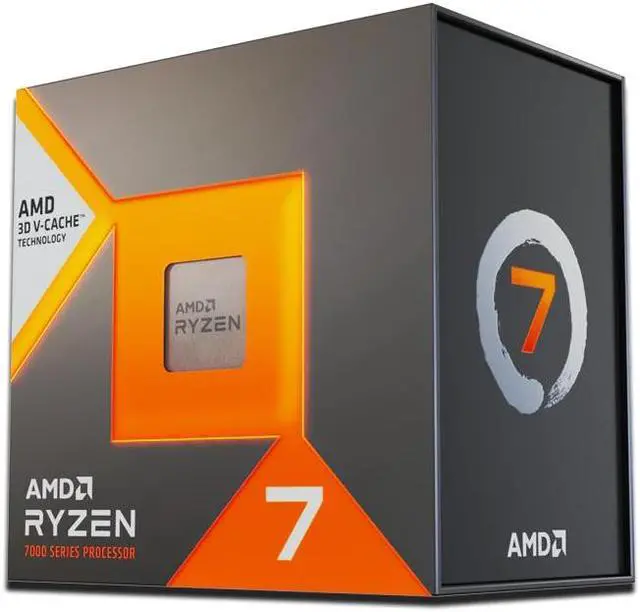
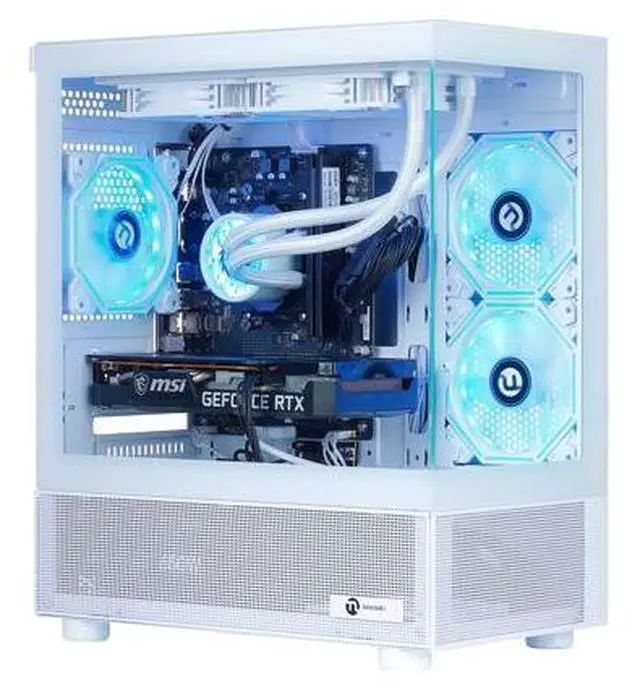
CPU marketing loves big numbers: sixteen cores, twenty-four threads, boost clocks nudging 6GHz. Yet ever since the first X3D chip arrived in 2022, the processors that actually top the gaming charts have had just eight cores and one unusual feature: a giant slab of stacked L3 cache. As the X3D family looks set to expand again soon, it is worth understanding who these eight-core specialists are really for.

Who Needs This?
Not everyone, and that is the point. If your PC renders video all day, more cores win. But if your machine exists primarily to play games, the data is unambiguous: games rarely scale past eight cores, and they reward low memory latency far more than raw core count. That is exactly the trade 3D V-Cache makes, and it is why an eight-core Ryzen 7 7800X3D routinely embarrasses CPUs costing twice as much in frame-rate tests.
Scenario 1: The High-Refresh AAA Player
You play story-driven blockbusters on a 1440p 240Hz panel and want the smooth end of that refresh range. Open-world titles hammer the CPU with draw calls, physics, and NPC logic. The 96MB of L3 on an X3D chip keeps those hot data structures on-die, lifting minimum frame rates, the stutters you actually feel, more than any clock-speed bump could.
Scenario 2: The Competitive Grinder

Valorant, Counter-Strike, league nights. Competitive shooters run at deliberately modest settings where the GPU coasts and the CPU sets the ceiling. This is X3D’s home turf: cache-friendly engine loops that translate directly into higher 1% lows and a more consistent aim feel at 360Hz-class refresh rates.
Scenario 3: The Simulation Addict
Factorio megabases, Cities: Skylines II sprawl, MMO raid nights in crowded hubs. Simulation and MMO workloads are the most cache-hungry in all of gaming, and X3D chips post their largest wins here, sometimes 20% or more over same-generation non-X3D silicon, as outlets like GamersNexus have documented.
Scenario 4: The Streamer-Creator
Here the answer is honest nuance: if you stream with GPU encoding (NVENC or AMF), an eight-core X3D chip handles play-plus-stream comfortably. If you CPU-encode at high quality or edit video professionally, a higher-core-count Ryzen 9 makes sense, at the cost of a few gaming frames.
Best Pick per Scenario
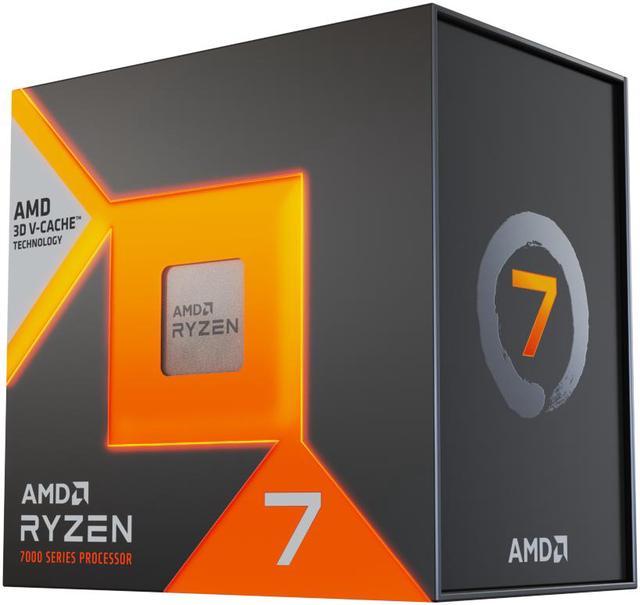
For scenarios one and two on a budget, the Ryzen 7 7800X3D, currently around $340 on Newegg, remains a phenomenal buy.
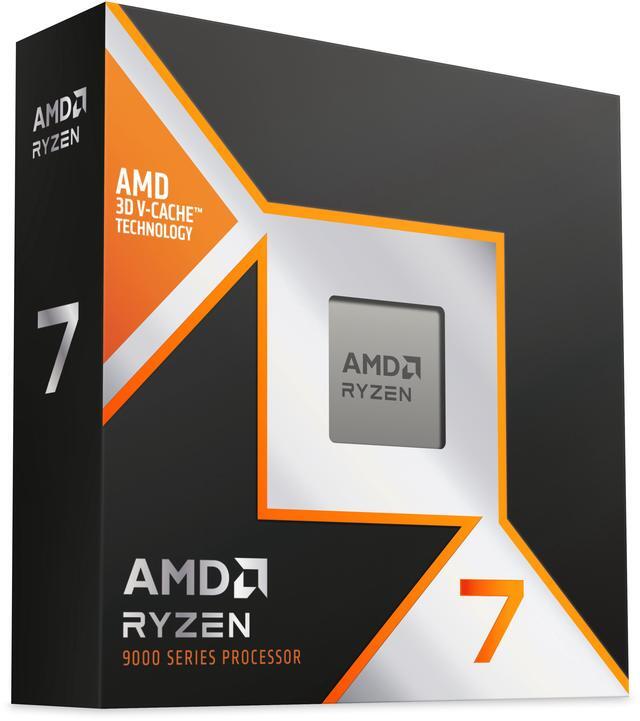
For the simulation addict or anyone who wants the outright fastest, the Ryzen 7 9800X3D at $429.99 adds Zen 5 cores, higher sustained clocks, and overclocking headroom.
Verdict
Eight cores plus stacked cache is not a compromise; for gamers it is the optimum, and it keeps proving it generation after generation. And if the current chatter is right, the eight-core X3D club may be about to get a new member that makes this sweet spot more accessible than ever. Watch this space, and keep an eye on Newegg’s X3D listings.
Read More
- Tom’s Hardware: Best CPUs for Gaming — Where eight-core X3D chips land against the whole field.
- GamersNexus: CPU Benchmark Megacharts — Exhaustive frame-rate and 1% low data across dozens of CPUs.
- AMD Official: Ryzen Desktop Processors — The full lineup, including every X3D model.
- Newegg Insider: RTX 5070 vs RX 9070 XT for 1440p — Pick the right GPU partner for your X3D build.
- Newegg: Ryzen 7 9800X3D Listings — Live pricing on the current gaming champion.
Related Posts
- Smart PC Upgrades with AI: Your Questions About Newegg’s PC Upgrader, Answered
- Build Your First Home NAS with Newegg’s NAS Builder: Three Real Scenarios
- How to Use Newegg’s Custom PC Builder: From Blank Page to Complete Build
- AMD Ryzen 7 7700X3D Preview: Why This AM5 Gaming CPU Is Worth Watching
- AMD Ryzen 7 7700X3D: Why AMD’s Newest X3D Chip Could Be the Smartest Gaming Buy of 2026
Frequently Asked Questions
Common questions about 8-core X3D gaming CPUs.