
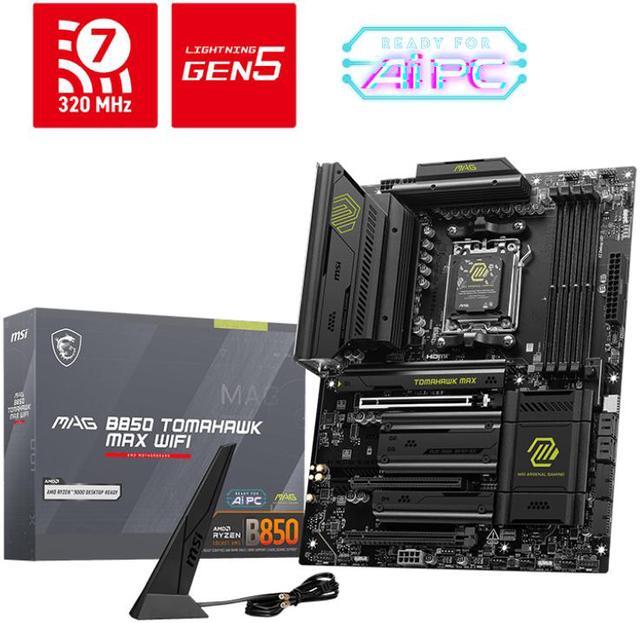
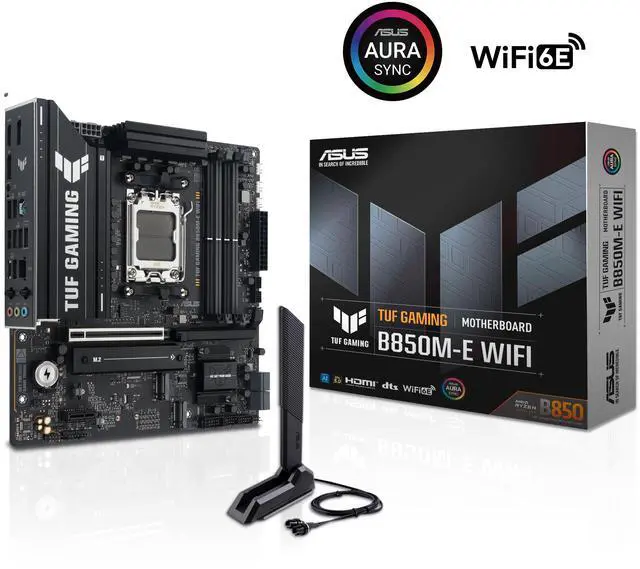
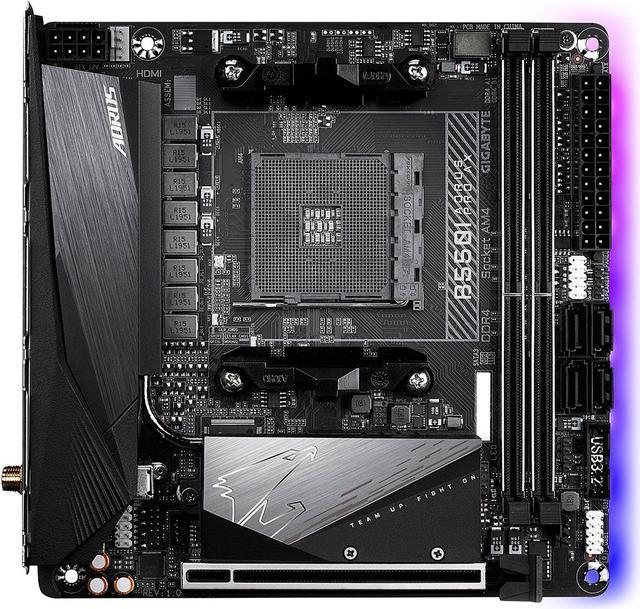
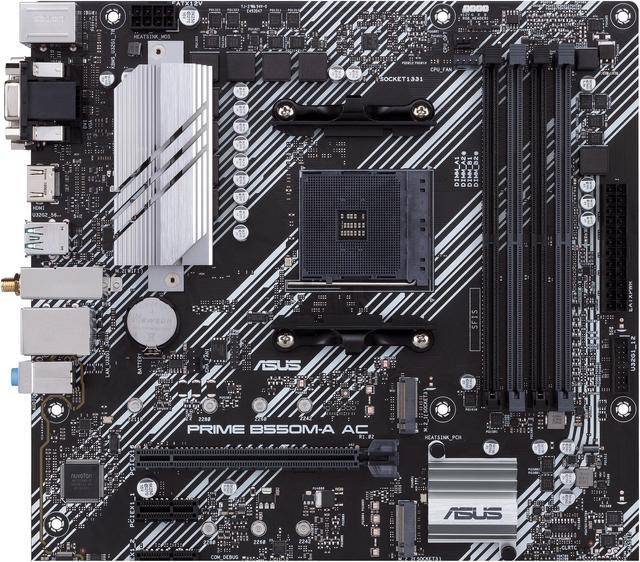
The specification list on a 2026 motherboard box is dense: PCIe 5.0 x16, USB4 40 Gbps, Wi-Fi 7, DDR5-8000+ support, Thunderbolt-ready headers. Understanding what each standard actually delivers in practice — and what hardware genuinely benefits from it — is the difference between a well-informed purchase and paying for a line on a spec sheet you will never use. This guide breaks down the three connectivity standards that define modern motherboards in 2026, then maps them onto the chipset tiers that actually gate access to each one.
PCIe 5.0: What Doubling Lane Bandwidth Actually Buys You
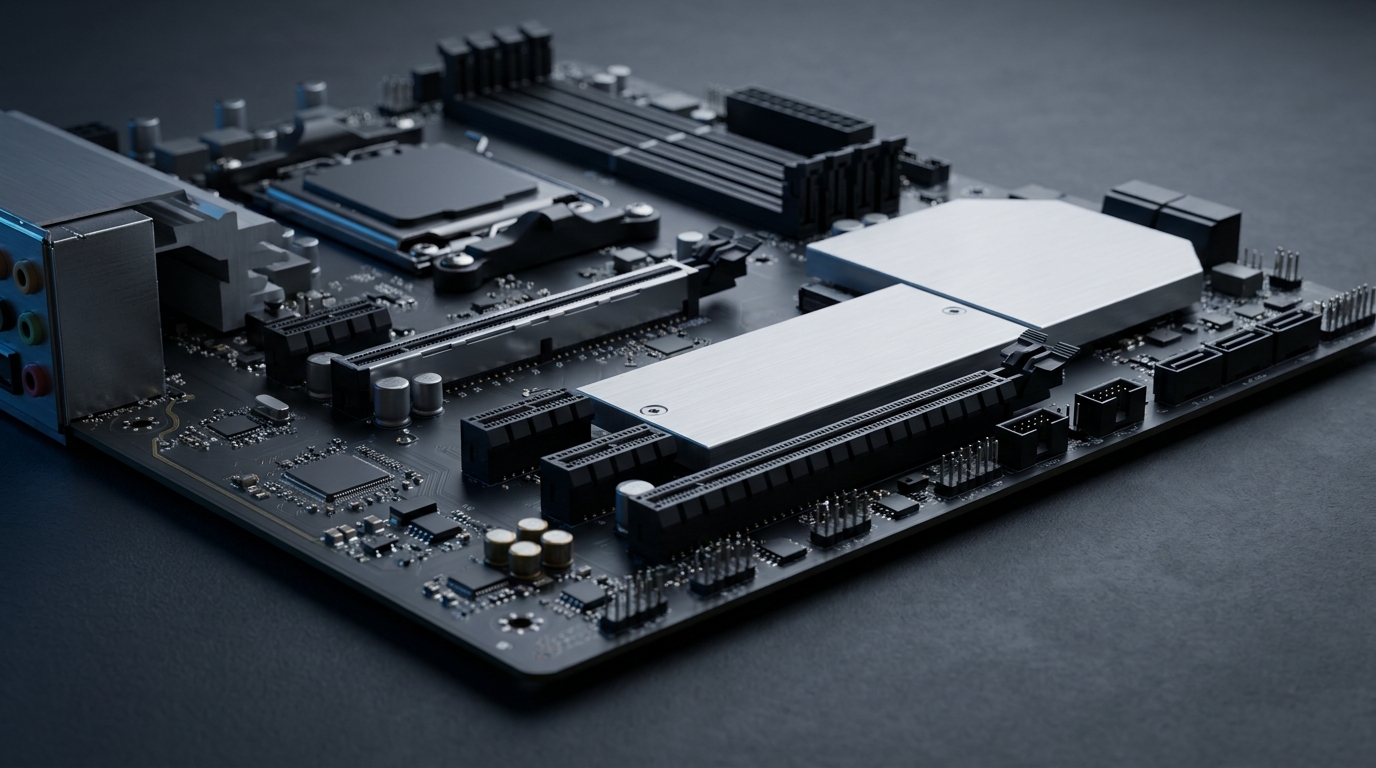
PCI Express 5.0 runs at 32 GT/s per lane, double PCIe 4.0’s 16 GT/s. After the 128b/130b encoding overhead, that works out to roughly 3.9 GB/s per lane in each direction. This is worth stating carefully, because it is commonly garbled: a PCIe lane is dual-simplex, with separate transmit and receive pairs running at the same time. So a PCIe 5.0 x16 slot carries about 63 GB/s in each direction — roughly 126 GB/s aggregate — against about 31.5 GB/s each way for PCIe 4.0 x16. PCI-SIG’s own headline figure of “up to 128 GB/s via x16” is the raw, pre-encoding, both-directions-combined number for the same link.
The graphics slot. Every current desktop platform feeds the primary x16 slot directly from the CPU, not the chipset. An AM5 Ryzen 7000 or 9000 processor provides 28 native PCIe lanes, 24 of them PCIe 5.0: 16 for graphics, four for a CPU-attached M.2, four general-purpose, plus a PCIe 4.0 x4 link to the chipset. Intel’s Arrow Lake-S offers 24 CPU lanes — 20 of them Gen5 — configured as x16 for graphics plus a Gen5 x4 and a Gen4 x4 for storage. The chipset tier does not create those lanes; it determines whether Gen5 operation on the graphics slot is validated and enabled. And for today’s cards it barely matters: current GPU models, including the GeForce RTX 50 series and Radeon RX 9000 series, do not come close to saturating a Gen5 x16 link in games, where testing shows only single-digit-percent differences against PCIe 4.0 x16. Some content-creation workloads that move large datasets across the bus are more sensitive, but for gaming the Gen5 graphics slot is headroom for future cards rather than present-day performance.
M.2 NVMe storage. This is where PCIe 5.0 delivers measurable, immediate gains. A PCIe 5.0 x4 link carries about 15.75 GB/s per direction, and the fastest shipping consumer drives now reach roughly 14,900 MB/s sequential read and 14,000 MB/s write — around 95% of the interface ceiling. Sequential reads on Gen5 consumer SSDs are now limited by the interface and controller rather than the NAND. One caveat worth knowing: 1 TB models often hit full read speed but write far slower than their 2 TB and 4 TB siblings, so on Gen5 drives the capacity you pick affects more than how much you can store.
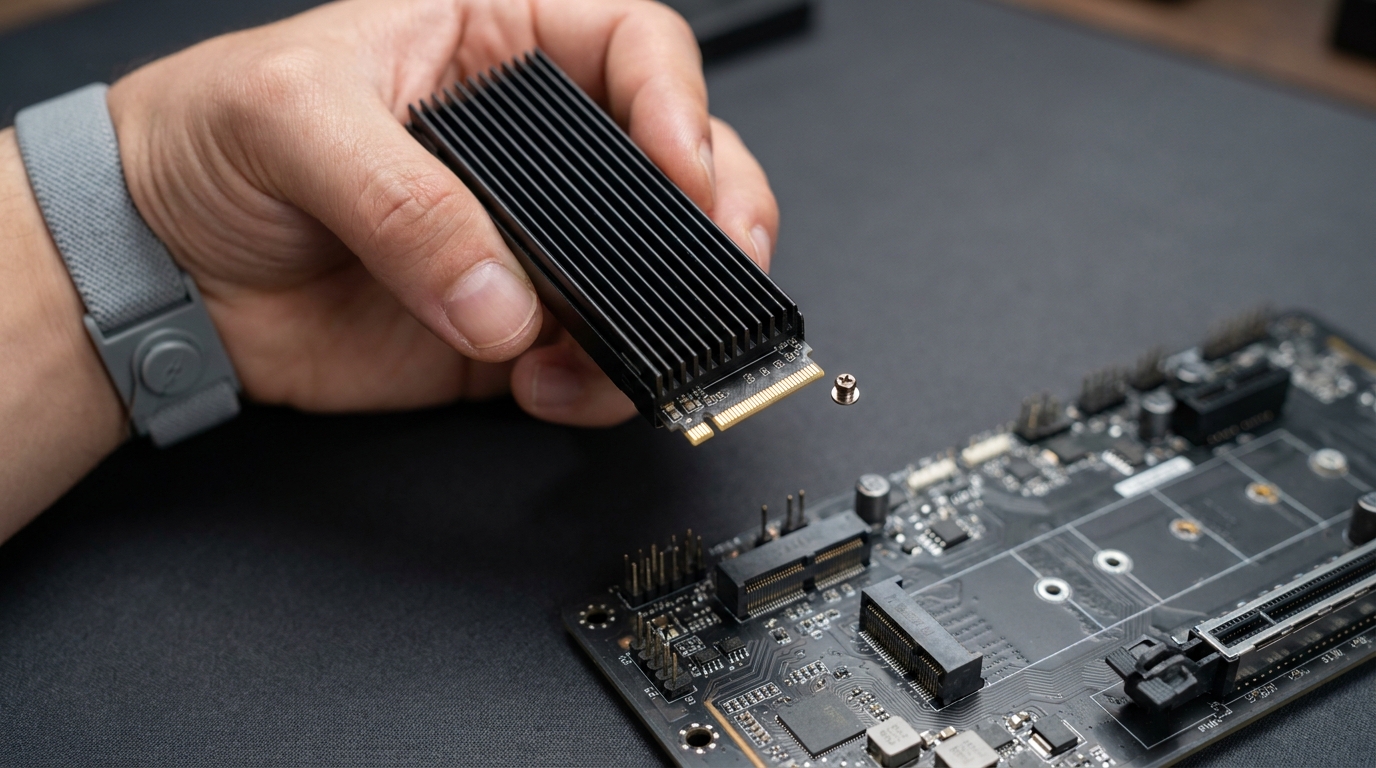
Browse SSD options on Newegg and filter by PCIe Gen 5 to compare current drives at 1 TB, 2 TB and 4 TB.
| NVMe Interface | Interface Ceiling (per direction) | Fastest Shipping Drives (seq. read / write) | Best Suited For |
|---|---|---|---|
| PCIe 3.0 x4 | ~3.9 GB/s | ~3,500 / ~3,300 MB/s | General computing, entry gaming |
| PCIe 4.0 x4 | ~7.9 GB/s | ~7,400 / ~7,000 MB/s | Gaming, video editing, most creative work |
| PCIe 5.0 x4 | ~15.75 GB/s | ~14,900 / ~14,000 MB/s (2 TB and up) | RAW video, large datasets, frequent model loading |
USB4 and Thunderbolt: One Connector, Several Speed Grades
USB4 replaced the confusing USB 3.x naming with a single interface — but it still has speed grades, and the labels are easy to get wrong. In the specification’s own notation, 20 Gbps is Gen 2×2, 40 Gbps is Gen 3×2, and 80 Gbps is Gen 4×2. The 80 Gbps tier was introduced by USB4 Version 2.0, which also added asymmetric operation and DisplayPort 2.1 support. For consumer-facing labels, USB-IF asks vendors to skip the engineering names entirely and use plain speed marks: USB 20Gbps, USB 40Gbps, USB 80Gbps. If a box says “USB4” with no number, look for the number.
What is actually on 2026 desktop boards is 40 Gbps. That tier gives you a genuinely useful single-connector feature set: DisplayPort tunneling for single-cable monitor connections, PCIe tunneling for external NVMe docks, eGPU enclosures and professional Thunderbolt audio interfaces, and USB Power Delivery for charging an attached device at a wattage the board vendor specifies. One caveat that catches people out: PCIe tunneling is optional in the USB4 specification. Thunderbolt 4 mandates it, at a guaranteed 32 Gbps, and the ASMedia controller AMD boards use implements it — but a port badged only “USB4 40 Gbps” is not required to tunnel PCIe at all. If an eGPU or Thunderbolt dock is the reason you want the port, look for Thunderbolt certification or an explicit PCIe-tunneling claim in the board’s spec table.
How you get it differs by platform. AMD’s chipsets have no USB4 PHY of their own, so USB4 on AM5 comes from a discrete controller — usually ASMedia’s ASM4242, which provides two ports. AMD makes USB4 40 Gbps a mandatory feature on X870E and X870, which is why boards at those tiers reliably carry at least two USB4 ports, and flagships sometimes four; on B850 and the 600-series chipsets it is an optional vendor addition. On Intel, Thunderbolt 4 (which is USB4-compatible at 40 Gbps) is a feature of the Core Ultra 200S processor itself rather than the chipset — Intel’s Z890, B860 and H810 spec sheets list no Thunderbolt row at all. In practice Z890 boards commonly expose two Thunderbolt 4 / USB4 ports, select B860 boards expose one, and shipping H810 boards generally offer none.
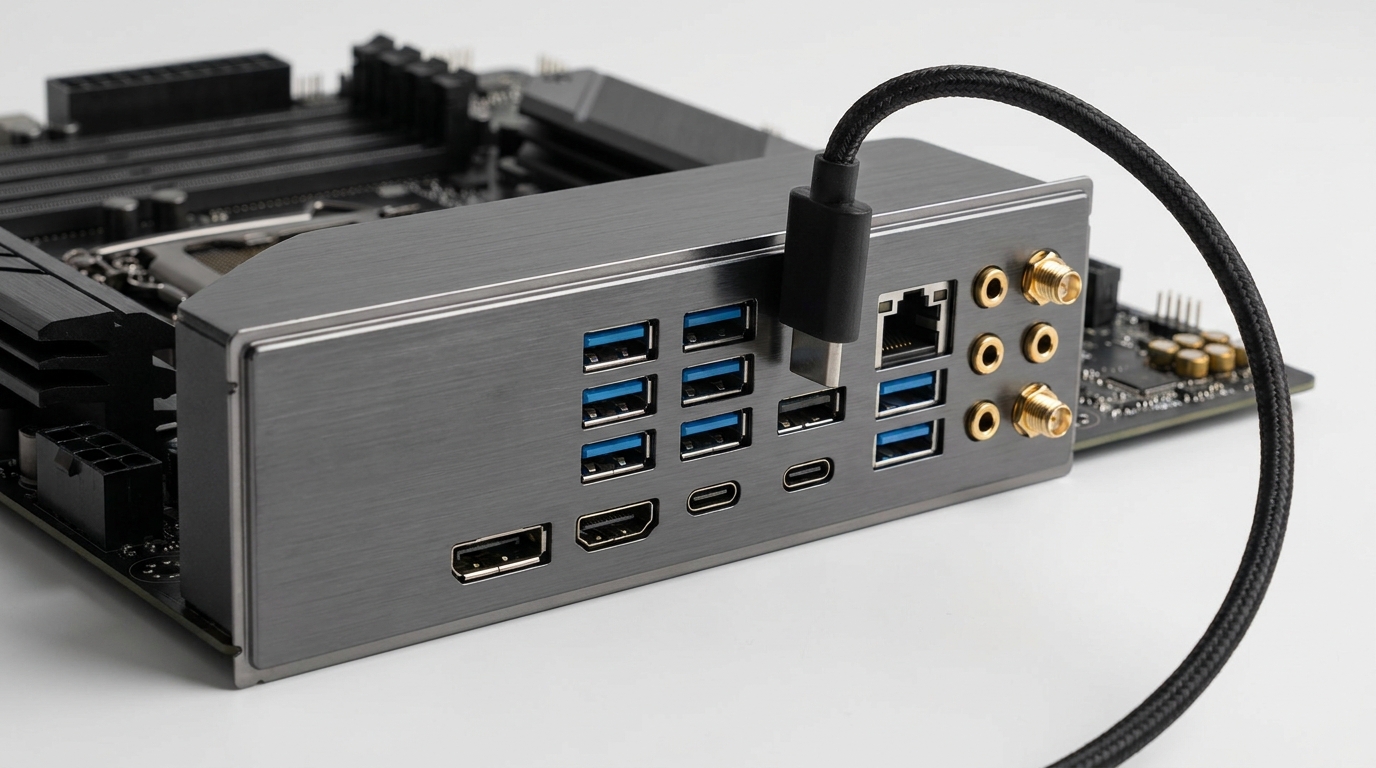
What about 80 Gbps? On desktops it is still rare, and it does not arrive under a USB4 badge. The only consumer route in 2026 is Thunderbolt 5, built on USB4 Version 2.0, DisplayPort 2.1 and PCIe Gen 4, which delivers 80 Gbps in each direction and can reallocate lanes for a “Bandwidth Boost” mode of 120 Gbps out / 40 Gbps back to feed very high-bandwidth displays. It appears on a handful of halo Z890 boards via Intel’s discrete Thunderbolt 5 controller, and as an add-in card for boards with a Thunderbolt header, and it remains backward compatible with Thunderbolt 4, Thunderbolt 3, USB4 and USB 3 devices. As of 2026 there is no shipping AM5 consumer motherboard with 80 Gbps USB4 or Thunderbolt 5 — third-party 80 Gbps host controllers simply did not arrive in time for this platform generation. If a listing claims “USB4 80 Gbps” on an AMD board, check the rear-panel spec before believing it.
Looking for a board that combines USB4 rear I/O with integrated wireless? Check Wi-Fi motherboards and confirm the USB4 port count on the rear I/O diagram.
Wi-Fi 7: Faster, Denser and Lower Latency — Within Real Limits
Wi-Fi 7 (IEEE 802.11be) is now near-universal on the Wi-Fi variants of mid-range and premium boards. It brings three meaningful improvements over Wi-Fi 6E:
- Multi-Link Operation (MLO) lets a client use 2.4 GHz, 5 GHz and 6 GHz simultaneously rather than switching between them, which cuts effective latency and improves reliability in congested environments.
- 320 MHz channels in the 6 GHz band double the widest channel available in Wi-Fi 6E — where regulations permit 6 GHz operation at that width.
- 4096-QAM packs more bits into each radio symbol than Wi-Fi 6E’s 1024-QAM, which the Wi-Fi Alliance puts at roughly 20% higher transmission rates, though it only sustains at very high signal strength.
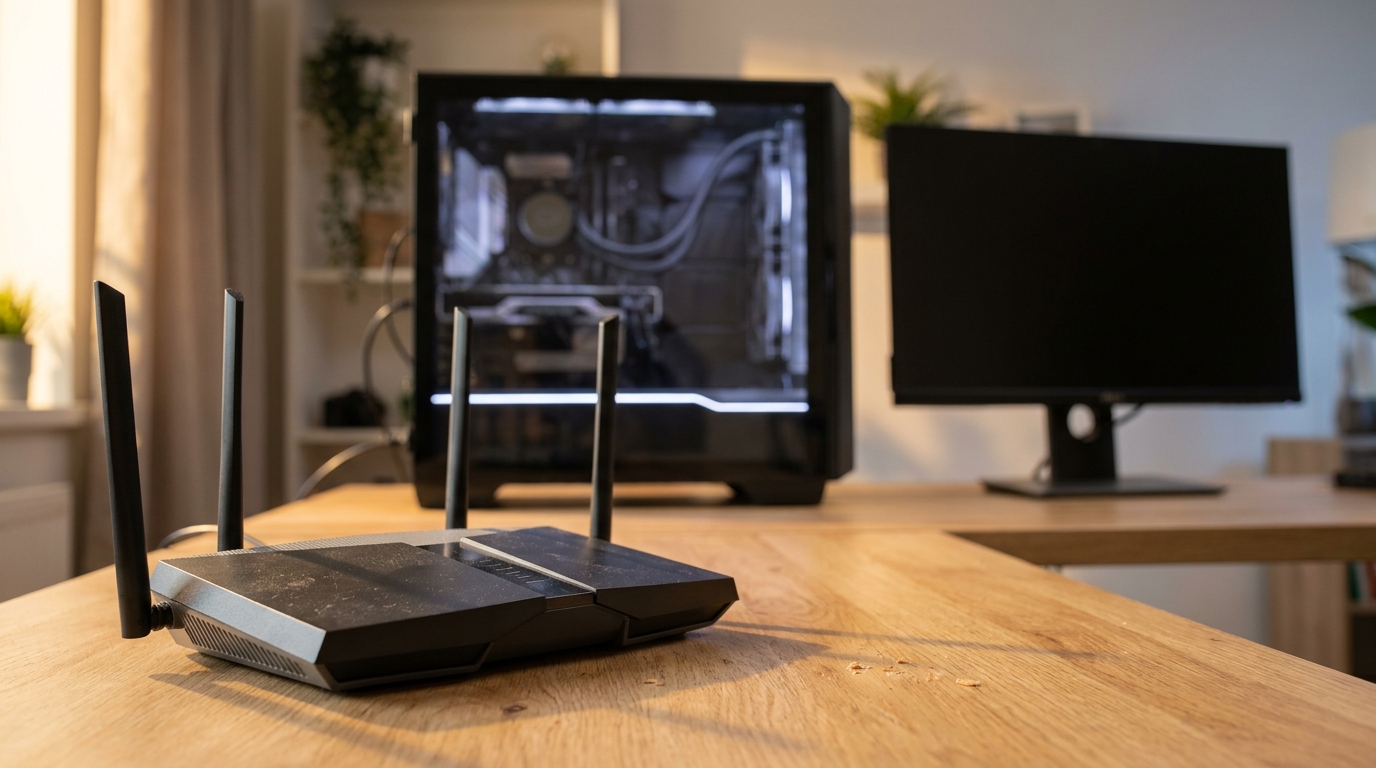
About that 46 Gbps figure. You will see it quoted for Wi-Fi 7, and it is a real number — but it describes 802.11be’s theoretical ceiling with 16 spatial streams, and nothing on the market implements that. It has no bearing on a motherboard. The M.2 Wi-Fi module in a desktop board is a 2×2 radio, so its peak PHY rate at 320 MHz with 4096-QAM is about 5.8 Gbps, and real TCP throughput lands well below the PHY rate. Add a router that has to support the same width, regional limits on 6 GHz, and the reality that 4096-QAM needs a short, clean link, and a well-configured Wi-Fi 7 desktop realistically sees low single-digit gigabits per second. That is still plenty for 4K and 8K streaming, low-latency online gaming, and local NAS backups that used to want a wired run — just not 46 Gbps.
Module choice is platform-dependent in a way spec sheets rarely explain. Intel-based boards commonly use the Intel BE200 (2×2, 5.8 Gbps peak, Bluetooth 5.4). AMD boards ship MediaTek, Qualcomm or Realtek silicon instead: mid-range AM5 boards often carry the MediaTek-based AMD RZ717 (Filogic 360 class, 160 MHz) or a Realtek RTL8922AE, also 160 MHz, while some higher-end boards move to the 320 MHz-capable Filogic 380 or Qualcomm’s FastConnect 7800. Board tier is not a reliable guide here — several X870E flagships still ship 160 MHz modules. Intel’s BE200 has been widely reported not to work in AMD systems, and Intel has never documented AM5 support for it — worth knowing if you plan to swap the module yourself. Boards from ASUS, GIGABYTE, MSI and ASRock all list the exact module in their spec tables. One more practical note: Microsoft supports Wi-Fi 7 starting with Windows 11 version 24H2, so an older build will not give you the full standard no matter what the board ships with.
Chipset Access: Which Tier Unlocks Which Standard
Connectivity features are distributed unevenly across chipset tiers, and two rows in the table below are the ones most often misread — the Gen5 graphics slot and USB4. Note that Wi-Fi 7 is never a chipset feature. Intel’s 800-series chipsets integrate only a Wi-Fi 6E MAC, so every Wi-Fi 7 board — Intel or AMD — uses a discrete M.2 module the board vendor chooses to fit, which is why the same chipset appears in both “WiFi” and non-WiFi SKUs.
| Connectivity Feature | AMD X870E | AMD X870 | AMD B850 | AMD B650 | Intel Z890 | Intel B860 | Intel H810 |
|---|---|---|---|---|---|---|---|
| PCIe 5.0 x16 graphics slot | Required | Required | Optional (baseline is PCIe 4.0) | No — PCIe 4.0 (B650E adds Gen5) | Yes | Yes | Per Intel spec yes, but many boards wire PCIe 4.0 |
| PCIe 5.0 x4 M.2 (CPU-attached) | Required (plus 4 general-purpose lanes) | Required (plus 4 general-purpose lanes) | Required (1 slot) | Required (1 slot) | Yes (1 slot, plus a Gen4 x4) | Yes (1 slot) | No — M.2 runs from the chipset at PCIe 4.0 x4 |
| USB4 / Thunderbolt 40 Gbps | Required (at least 2 ports) | Required (at least 2 ports) | Optional | Discrete controller only, rare | From the CPU; commonly 2 ports | Select boards, usually 1 port | In practice, none |
| 80 Gbps (Thunderbolt 5) | Not available on AM5 | Not available on AM5 | Not available on AM5 | Not available on AM5 | A few halo boards, or an add-in card | No | No |
| Wi-Fi 7 module (board option) | Most SKUs | Most SKUs | Common | Common on WiFi SKUs | Most SKUs | Common on WiFi SKUs | Uncommon |
| Memory | DDR5 only | DDR5 only | DDR5 only | DDR5 only | DDR5 only | DDR5 only | DDR5 only, one DIMM per channel |
| Overclocking | CPU + memory | CPU + memory | CPU + memory | CPU + memory | CPU + memory + BCLK | Memory only | None |
For mainstream builds, AMD B850 and Intel B860 are the connectivity sweet spot in 2026 — but for slightly different reasons. B860 gives you a Gen5 x16 graphics slot and a CPU-attached Gen5 M.2 as standard. B850 guarantees the Gen5 M.2 slot and leaves the Gen5 graphics slot to the board vendor, so check that specific model’s spec table if Gen5 graphics matters to you. Both are DDR5-only and both sit well below X870E and Z890 pricing. Pair either with a DDR5 kit and a quality power supply for a current-generation platform without flagship board pricing.
AI Workloads and High-Bandwidth Motherboard I/O
Running large language models and diffusion pipelines locally puts demands on platform I/O that were not a consideration a few years ago. It helps to be precise about where the motherboard actually matters:
- Gen5 NVMe shortens model load time, and only model load time. Load time from storage scales with sequential read, so a roughly 40 GB quantized 70-billion-parameter model represents about six seconds of pure transfer from a fast Gen4 drive versus about three from a Gen5 drive. Real-world load times are longer because of filesystem and framework overhead, but the ratio holds. This matters if you switch models often; once the weights are resident in VRAM or system RAM, storage speed is irrelevant.
- USB4 enables an eGPU, with a bandwidth caveat. Thunderbolt 4 guarantees 32 Gbps for PCIe traffic over a 40 Gbps link, which is a real constraint for GPU compute but workable for inference where the model lives in the external card’s own VRAM. Thunderbolt 5 raises that requirement to 64 Gbps. A port badged only “USB4” may not tunnel PCIe at all, so check before buying an enclosure.
- Memory speed feeds anything that spills out of VRAM. AM5 builds generally target DDR5 memory around DDR5-6000 for a 1:1 memory-controller ratio. LGA1851 is officially rated at DDR5-6400, DDR5-7200 with Core Ultra 200S Plus processors, and up to DDR5-8000 under Intel’s warranty-covered 200S Boost profile on Z890.
One correction worth making explicitly, because it circulates widely: the NPU in Intel’s Arrow Lake-S desktop processors is rated at 13 TOPS (INT8), contributing to up to about 36 TOPS across the whole package on the top SKUs once the GPU and CPU are counted. The frequently quoted ~48 TOPS figure belongs to Intel’s Lunar Lake mobile chips, not desktop. Arrow Lake-S therefore sits below Microsoft’s 40-TOPS Copilot+ threshold, and on a desktop LGA1851 build meaningful AI acceleration still comes from the discrete GPU. Premium boards from ASUS and GIGABYTE market Gen5 NVMe, USB4 and high-speed DDR5 as an AI-oriented package — a fair description of the I/O, as long as you know the compute is coming from the graphics card.
Connectivity Across Form Factors
A genuine development in 2026 is that high-bandwidth connectivity is no longer confined to full-size flagship boards. ATX, Micro-ATX and Mini-ITX boards at the mid-range tier now routinely ship with Gen5 storage and Wi-Fi 7 — features that were premium-only two platform generations ago. Small-form-factor boards trade slot and M.2 count for size, not interface generation.
What still separates budget from premium is narrower than the spec-sheet noise suggests: VRM quality for CPU overclocking, the number of Gen5 M.2 slots, whether USB4 is present, and — on AMD’s mid-range and Intel’s entry tier — whether the graphics slot runs at Gen5 at all. Whether you build on AMD Ryzen or Intel Core Ultra, the 2026 baseline is strong. The one habit worth keeping is checking the individual board’s spec table rather than trusting the chipset name, because on exactly the features people care most about, the chipset name no longer tells the whole story.
Read More
- AMD Socket AM5 Chipset Comparison — AMD’s own feature table for the 800-series chipsets, including the USB4 column that marks it STANDARD on X870E and X870 and optional below.
- Intel Z890 Chipset Specifications — the authoritative PCIe lane configuration strings for the 800-series chipsets, with B860 and H810 linked from the same product family.
- USB4 Version 2.0 Specification (USB-IF) — the primary source for USB4 generation naming, the 80 Gbps tier and asymmetric link operation.
- Wi-Fi Alliance: Wi-Fi CERTIFIED 7 — the official description of MLO, 320 MHz channels and 4096-QAM, without the inflated peak-rate marketing.
- Intel Thunderbolt 5 Overview — Intel’s specification for 80 Gbps operation, Bandwidth Boost and backward compatibility with Thunderbolt 4 and USB4.
Related Posts
- 7800X3D vs 7700X3D: Which X3D Gaming Chip Should You Buy Now?
- Ryzen 7 7700X3D vs 7700X, 9600X, Core Ultra 7 265K & i7-14700K: Which Gaming CPU Wins?
- 7700X3D vs 7800X3D vs 9800X3D: Which X3D Chip Should You Buy Today?
- AMD Ryzen 7 7700X3D Is Here: The $329 Gateway to High-End AM5 Gaming
- Budget Gamers, Something Big Is Coming to AM5: What You Should Know